
NAD⁺ (Research Grade)
Chemical Name: Nicotinamide Adenine Dinucleotide
Molecular Formula: C₂₁H₂₇N₇O₁₄P₂
Molecular Weight: ~663.4 g/mol
Product Overview
NAD⁺ (Nicotinamide Adenine Dinucleotide) is a coenzyme central to cellular metabolism and energy production. It plays a key role in redox reactions, serving as an electron carrier in metabolic pathways, and is widely studied for its potential impact on mitochondrial function, aging research, and cellular repair mechanisms.
Note:
-
For laboratory research use only.
-
Not intended for human consumption or therapeutic use.
-
Handling by trained research professionals is required.
Please see our blog for more in-depth information on NAD⁺ research developments.
Indications (Research Purposes Only)
NAD⁺ is intended for preclinical and laboratory research on:
-
Cellular energy metabolism and mitochondrial function
-
Aging and longevity studies
-
DNA repair and sirtuin activation
-
Redox biology and oxidative stress mechanisms
-
Neurodegenerative and metabolic disorder research
Mechanism of Action
NAD⁺ acts as a key coenzyme in metabolic reactions and cellular signaling:
-
Redox Reactions: Facilitates electron transfer in glycolysis, the TCA cycle, and oxidative phosphorylation.
-
Sirtuin Activation: Acts as a substrate for sirtuin enzymes involved in longevity, gene regulation, and DNA repair.
-
PARP Enzyme Function: Supports poly(ADP-ribose) polymerase activity critical for DNA damage repair.
-
Cellular Signaling: Influences NAD⁺-dependent pathways that regulate metabolic homeostasis and stress responses.
Pharmacodynamics (Preclinical Data)
-
Supports enhanced mitochondrial energy production in cell and animal models.
-
Promotes DNA repair and cell survival under stress conditions.
-
Modulates sirtuin activity linked to metabolic regulation and longevity pathways.
-
Protects against oxidative stress in various preclinical studies.
Pharmacokinetics (Preclinical Observations)
-
Rapid uptake and utilization in cellular metabolism in vitro.
-
Dose-dependent cellular effects observed in controlled experiments.
-
Stability and bioavailability may vary depending on formulation and storage.
Note: Pharmacokinetic and pharmacodynamic data are preclinical and may vary in human studies.
Observed Research Benefits (Summary)
-
Enhanced cellular energy metabolism
-
DNA repair support and sirtuin activation
-
Protection against oxidative stress
-
Support for mitochondrial function
-
Findings are limited to non-human research models. Further studies are required to validate long-term effects.
Available Packaging Options
-
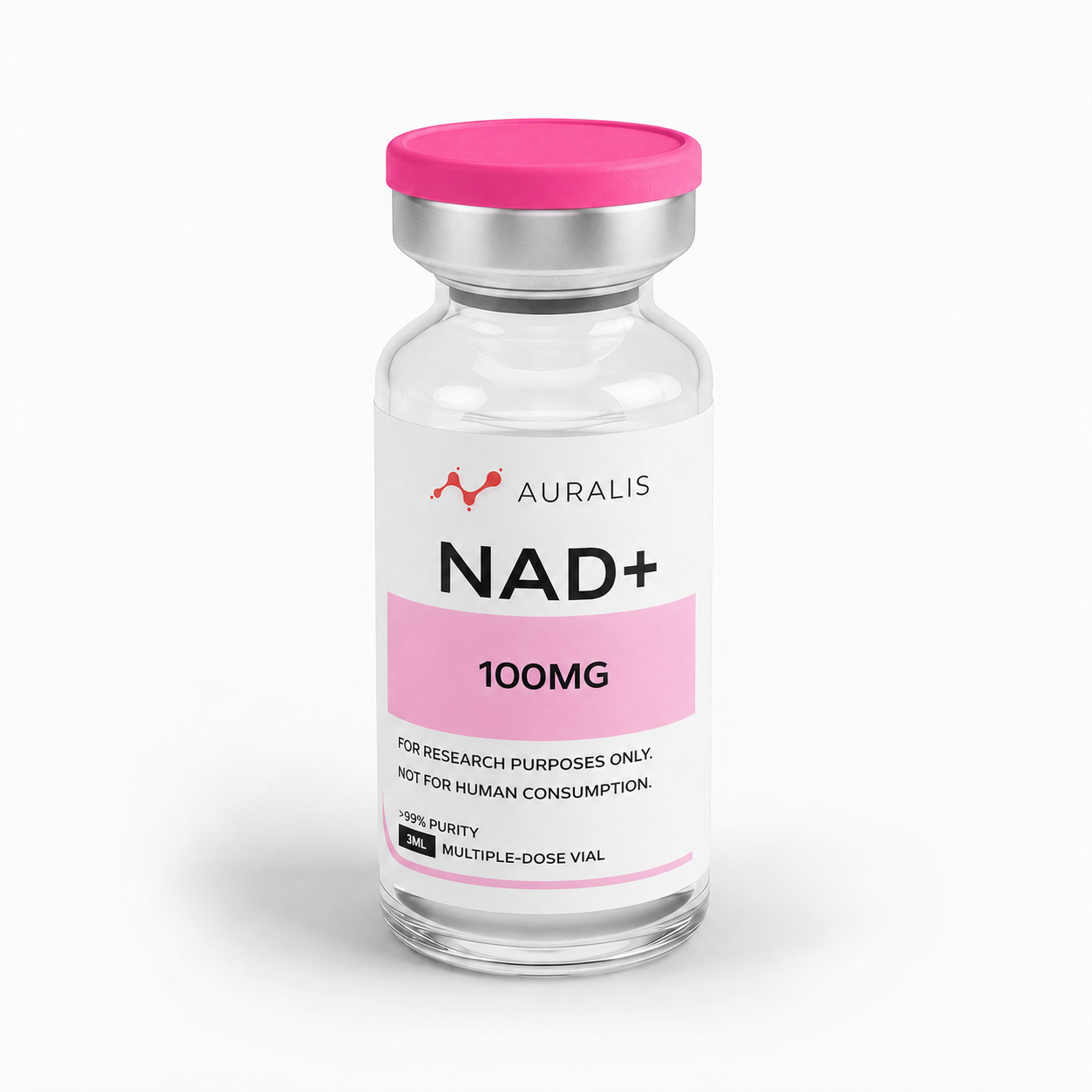
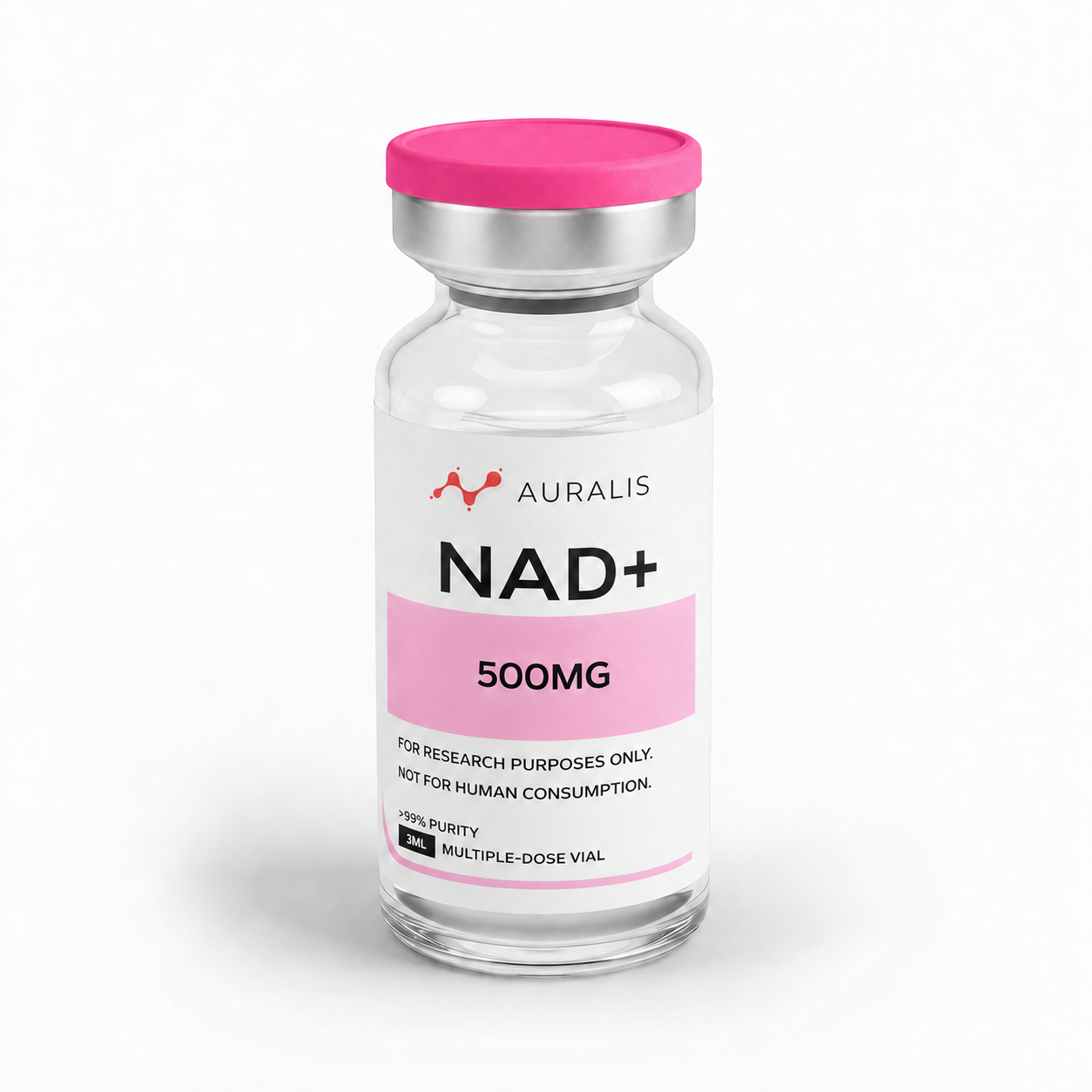
Single vial: 100 mg or 500 mg
-
Three-pack (bulk option): 100 mg or 500 mg
For larger quantities and bulk research orders, please contact us via our Contact Us page.
Storage and Handling
-
Store lyophilized (dry) vials at -20°C to -80°C prior to use.
-
Avoid repeated freeze-thaw cycles to maintain compound integrity.
-
After reconstitution with sterile or bacteriostatic water, store at 2°C to 8°C (refrigerated).
-
Keep reconstituted solutions sealed, dry, and protected from light.
-
Exposure to freezing temperatures after reconstitution may compromise stability.
-
Retain vials in original carton or protective case until use.
Disclaimer
This material is intended for laboratory research purposes only and is not intended for human or veterinary use. All research must comply with institutional, local, and national regulations. This material must not be used for diagnostic, therapeutic, or clinical procedures.
For More Information
For detailed research insights and studies on NAD⁺, please refer to our BLOG section on the Menu bar.


