
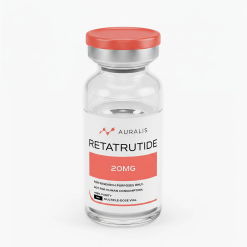
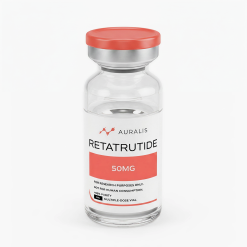
Retatrutide (Research Grade)
Chemical Name: Retatrutide
Molecular Formula: C₁₈₇H₂₉₁N₅₅O₅₈
Molecular Weight: ~4260.7 g/mol
Product Overview
Retatrutide is a novel investigational peptide under active study for its potential to modulate metabolic pathways. It is a triple agonist of the GLP-1 (glucagon-like peptide-1), GIP (glucose-dependent insulinotropic polypeptide), and glucagon receptors. Current research suggests Retatrutide may offer significant benefits in the study of obesity, insulin resistance, and related metabolic conditions.
Note:
-
For laboratory research use only.
-
Not intended for human consumption or therapeutic use.
-
Handling by trained research professionals is required.
-
Please see our blog for more in-depth information on Retatrutide research developments.
Indications (Research Purposes Only)
Retatrutide is intended for use in preclinical and laboratory research focusing on:
-
Metabolic disorders, including obesity and type 2 diabetes
-
Energy expenditure and thermogenesis
-
Lipid metabolism and hepatic steatosis
-
Appetite regulation and satiety mechanisms
Mechanism of Action
Retatrutide exhibits its activity through simultaneous agonism of three key metabolic receptors:
-
GLP-1 Receptor: Promotes glucose-dependent insulin secretion, reduces glucagon secretion, and delays gastric emptying.
-
GIP Receptor: Enhances insulin secretion and may positively influence fat storage and energy balance.
-
Glucagon Receptor: Stimulates energy expenditure and promotes mobilization of fatty acids.
The combined activation of these pathways is hypothesized to produce additive or synergistic effects on weight reduction and glycemic control.
Pharmacodynamics (Preclinical Data)
-
Significant body weight reduction observed in murine and non-human primate models.
-
Enhanced insulin sensitivity and improved glucose tolerance in diet-induced obesity models.
-
Increased resting energy expenditure associated with glucagon receptor activation.
-
Reduction of hepatic lipid accumulation.
Pharmacokinetics (Preclinical Observations)
-
Extended half-life in plasma compared to traditional GLP-1 analogs (animal models).
-
Dose-dependent pharmacodynamic effects observed in controlled studies.
-
Favorable bioavailability in subcutaneous administration routes (animal data).
Note: Pharmacokinetic properties are based on preclinical data and may vary across species.
Observed Research Benefits (Summary)
-
Reduction in body weight
-
Improved insulin sensitivity and glucose control
-
Enhanced energy expenditure
-
Decreased hepatic steatosis
-
Improvement in lipid metabolism
-
Appetite suppression effects observed
Findings are limited to non-human research models. Further studies are needed to confirm long-term effects.
Available Packaging Options
-
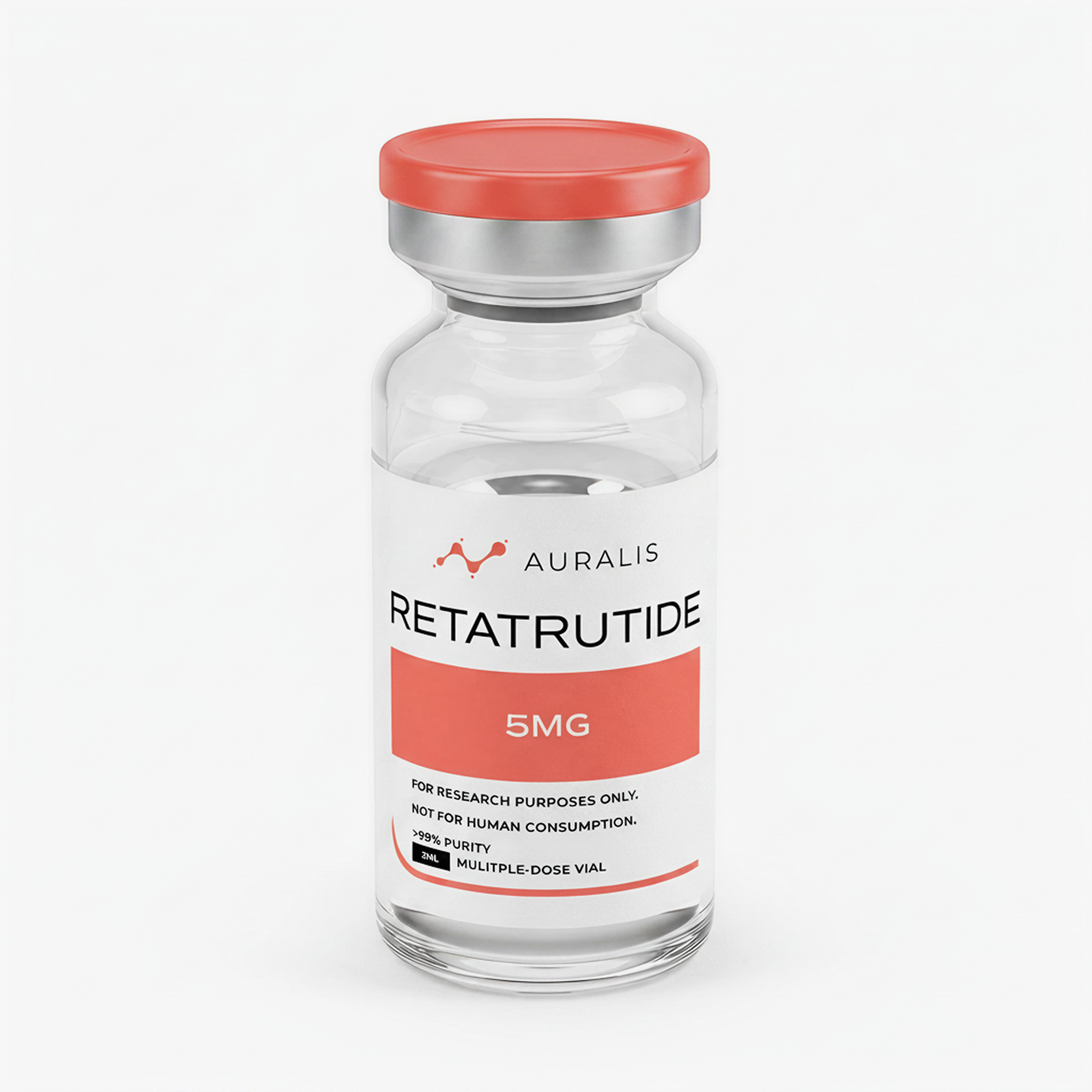
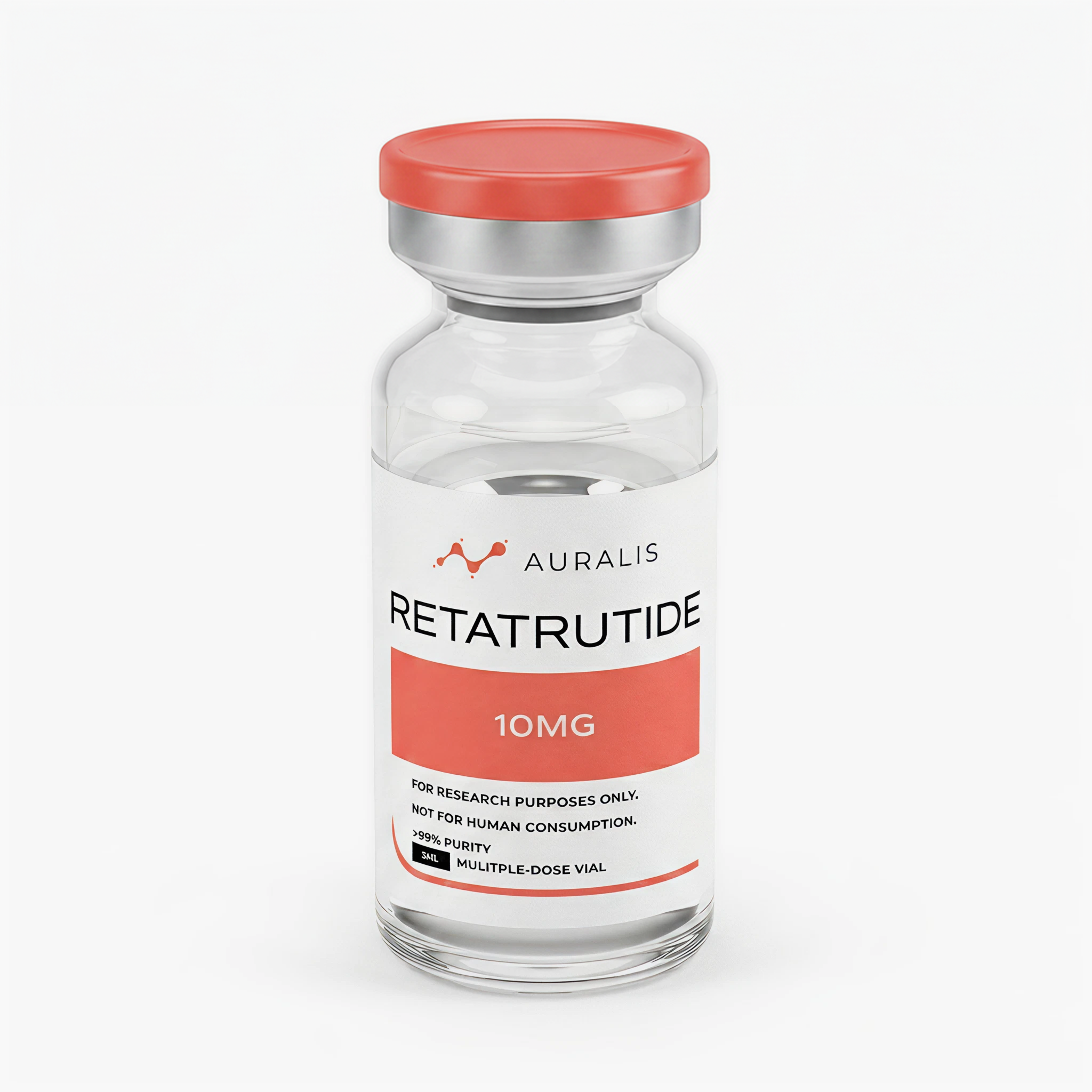
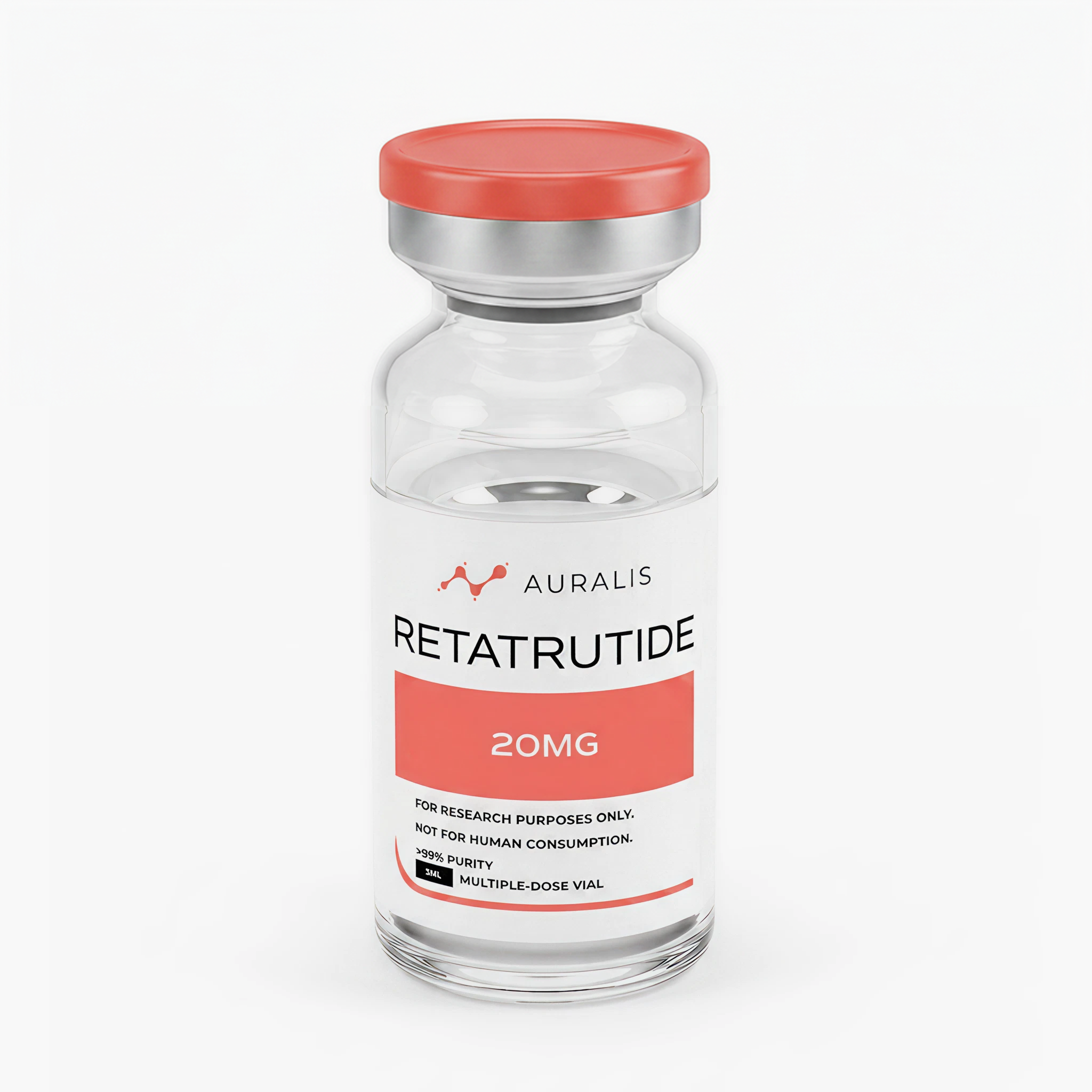
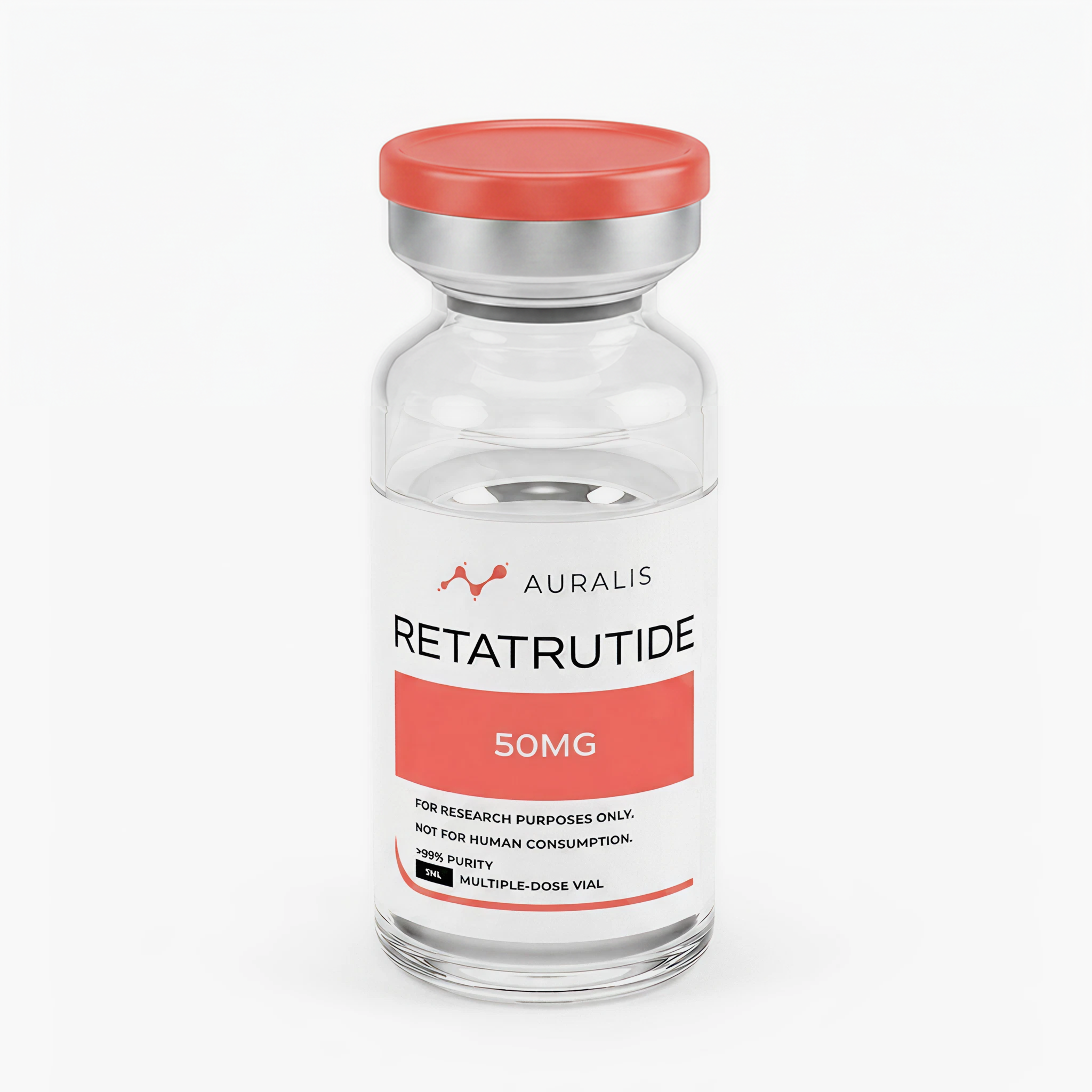
Single vial: 5mg, 10mg, 20mg, or 50mg
-
Three-pack (bulk option): 5mg, 10mg, or 20mg
For larger quantities and bulk research orders, please contact us via our Contact Us page.
Storage and Handling
-
Store lyophilized (dry) vials at -20°C to -80°C prior to reconstitution.
-
Avoid repeated freeze-thaw cycles to maintain peptide integrity.
-
Do not freeze the product once it has been reconstituted with bacteriostatic or sterile water.
-
After reconstitution, store the vial at 2°C to 8°C (refrigerated).
-
Keep reconstituted solutions sealed, dry, and protected from light at all times.
-
Exposure to freezing temperatures after reconstitution may compromise peptide stability and reduce potency.
-
Retain vials in their original carton or protective case until ready for use to prevent light exposure and maintain product quality.
Disclaimer
This material is intended for laboratory research purposes only and is not intended for human or veterinary use. All research must be conducted in compliance with institutional, local, and national regulations. This material must not be used for diagnostic, therapeutic, or clinical procedures.


Reviews
There are no reviews yet.
